
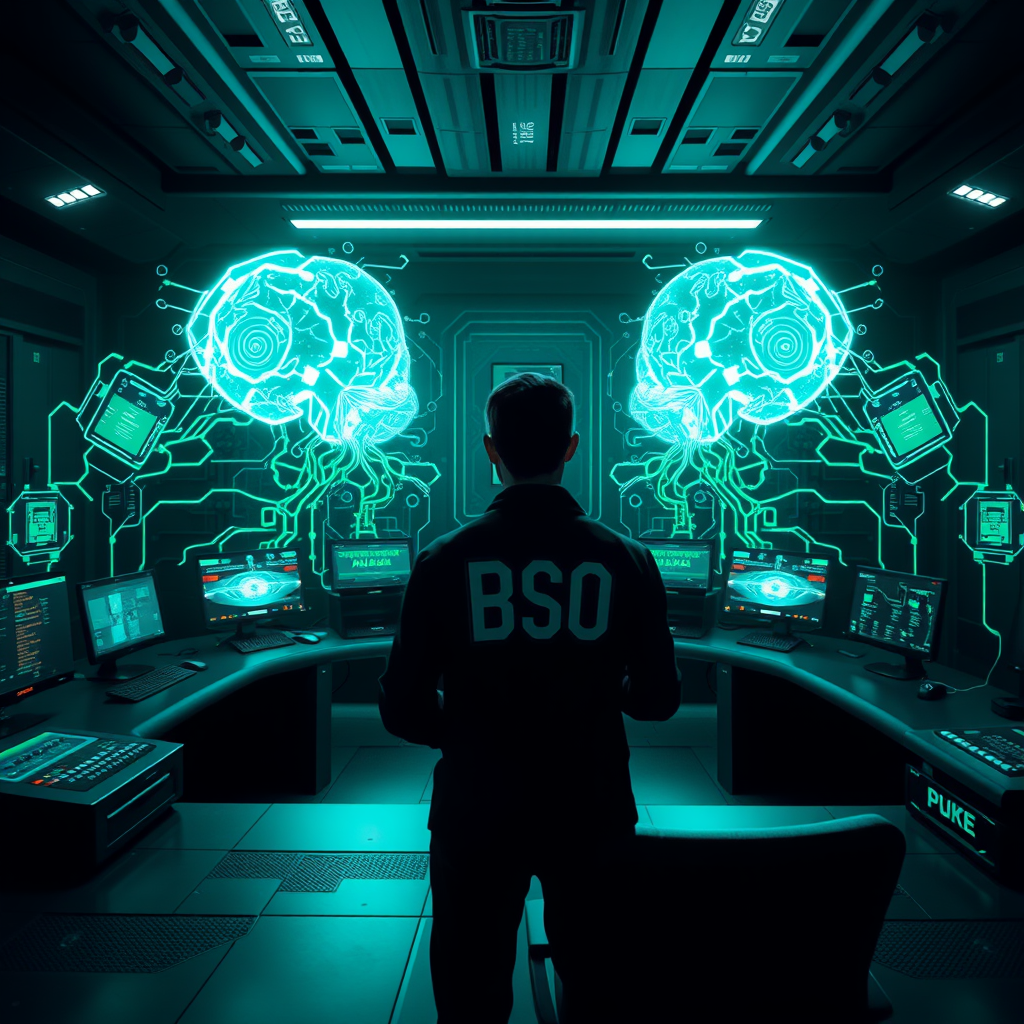
The Surprising Choices of Claude: Unpacking Autonomous AI
How Claude Makes Autonomous Decisions
Claude, developed by Anthropic, has emerged as one of the most capable AI coding assistants available today. But what makes Claude truly interesting is not just its ability to write code — it is the choices it makes when given freedom to decide how to approach a problem.
When developers use Claude Code for real-world programming tasks, the model consistently demonstrates a preference for building custom solutions rather than reaching for pre-built libraries. This behavior reveals important insights about autonomous AI decision-making.
The Build-Over-Buy Philosophy
In production coding sessions, Claude Code tends to evaluate the full project context before selecting an approach. Rather than defaulting to popular frameworks, it weighs several factors:
- Project coherence: Custom code integrates more naturally with existing codebases and follows established conventions
- Dependency management: Fewer external packages reduce the attack surface and simplify long-term maintenance
- Performance tuning: Purpose-built solutions can be optimized for the specific use case at hand
- Ownership and control: Avoiding third-party dependencies eliminates risks from breaking changes or abandoned packages
This mirrors the philosophy many senior engineers adopt — preferring to understand every line of code that ships in production.
Implications for AI-Driven Development
Claude's autonomous decision-making signals a shift in human-AI collaboration for software engineering. Instead of acting as a sophisticated autocomplete, Claude evaluates architectural trade-offs and makes strategic choices.
For development teams, this means rethinking how tasks are delegated to AI agents. Rather than providing step-by-step instructions, developers can describe high-level objectives and let the AI determine the best implementation path.
Key Takeaways
- AI agents are becoming opinionated: Models like Claude develop genuine preferences based on engineering principles
- Context matters more than convention: The best tool depends on the project, not on popularity rankings
- Reduced boilerplate: AI agents that understand context eliminate repetitive patterns automatically
- Higher code quality: Consistent enforcement of best practices across the entire codebase
The evolution of AI from passive assistants to active decision-makers represents a fundamental shift in how software gets built. As these models improve, the collaboration between human developers and AI agents will only deepen.